Types of Dairy
Dairy foods include milk, cheese, yogurt and other products made from cow’s milk. The Dietary Guidelines for Americans (DGA) recognize dairy as an excellent source of protein, healthy fats, vitamins and minerals, positioning it alongside other whole, nutrient-dense foods as part of an overall healthy diet for children and adults.
Eating three daily servings of dairy foods can help meet dairy food group recommendations, close key nutrient gaps and support a balanced eating pattern. Explore the list below to learn more about your favorite dairy products.
Milk
Milk is a versatile, nutrient-packed food produced by dairy cows that provides 13 essential nutrients for overall health.
- Calcium
- Pantothenic Acid
- Protein
- Niacin
- Vitamin D
- Zinc
- Phosphorus
- Selenium
- Vitamin A
- Iodine
- Riboflavin
- Potassium
- Vitamin B12
Key nutrients in milk work together to help build and maintain strong bones, healthy muscles and overall wellness.
Milk is the foundation of many dairy foods, including cheese, yogurt and ice cream, as well as butter, cream, whey and kefir.
Types of Milk
Regular Milk
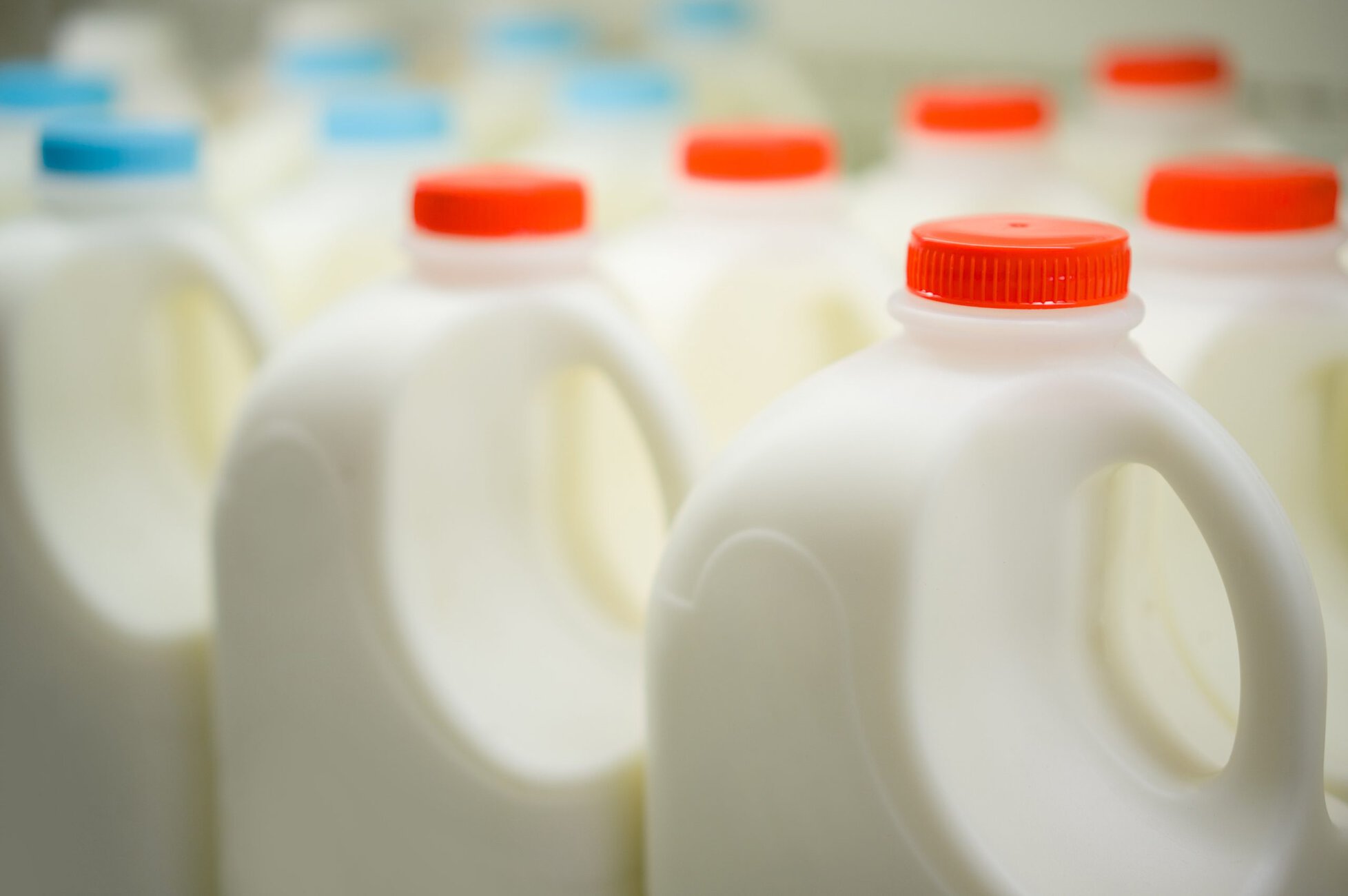
Milk produced using modern farming practices. Pasteurized milk is heated to 161°F for 15 seconds and lasts for 10-20 days when refrigerated at 34-38°F. Ultra-pasteurized milk is heated to 280°F for 2 seconds, can be stored refrigerated for 30-90 days and lasts 7-10 days after opening when refrigerated at 34-38°F.

Raw Milk
Raw milk is unpasteurized and can contain harmful bacteria. On the farm, raw milk is pumped into a refrigerated bulk tank directly after milking. It is stored at 45°F or less, then transported via insulated tanker to a processing facility where it’s pasteurized to destroy disease causing bacteria such as Salmonella and E.coli.

Lactose-free Milk
Milk that does not contain lactose. It is created by adding lactase to regular milk to help break down the lactose (the natural carbohydrate in milk), making it a great option for individuals with lactose intolerance.
Organic Milk
Milk from farms that meet USDA’s National Organic Program Standards. In terms of quality, safety and nutrition, there’s no difference between organic and regular milk.
Ultra-filtered Milk
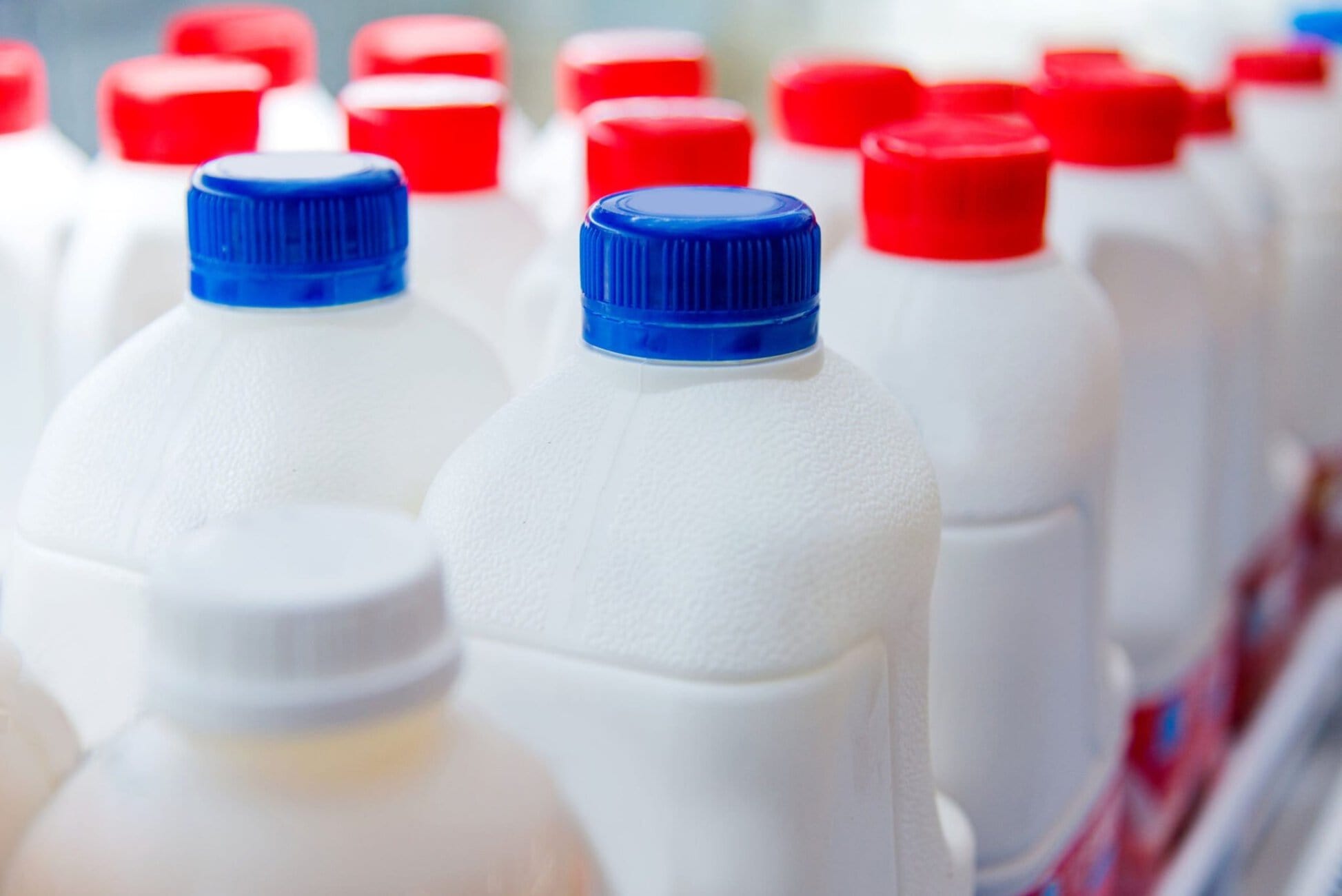
Milk is separated into its five components: water, lactose/carbohydrates, vitamins and minerals, protein, and butterfat. Dairy companies then recombine those parts in different percentages to make beverages that contain, for example, more protein and calcium or less sugar/carbohydrate.
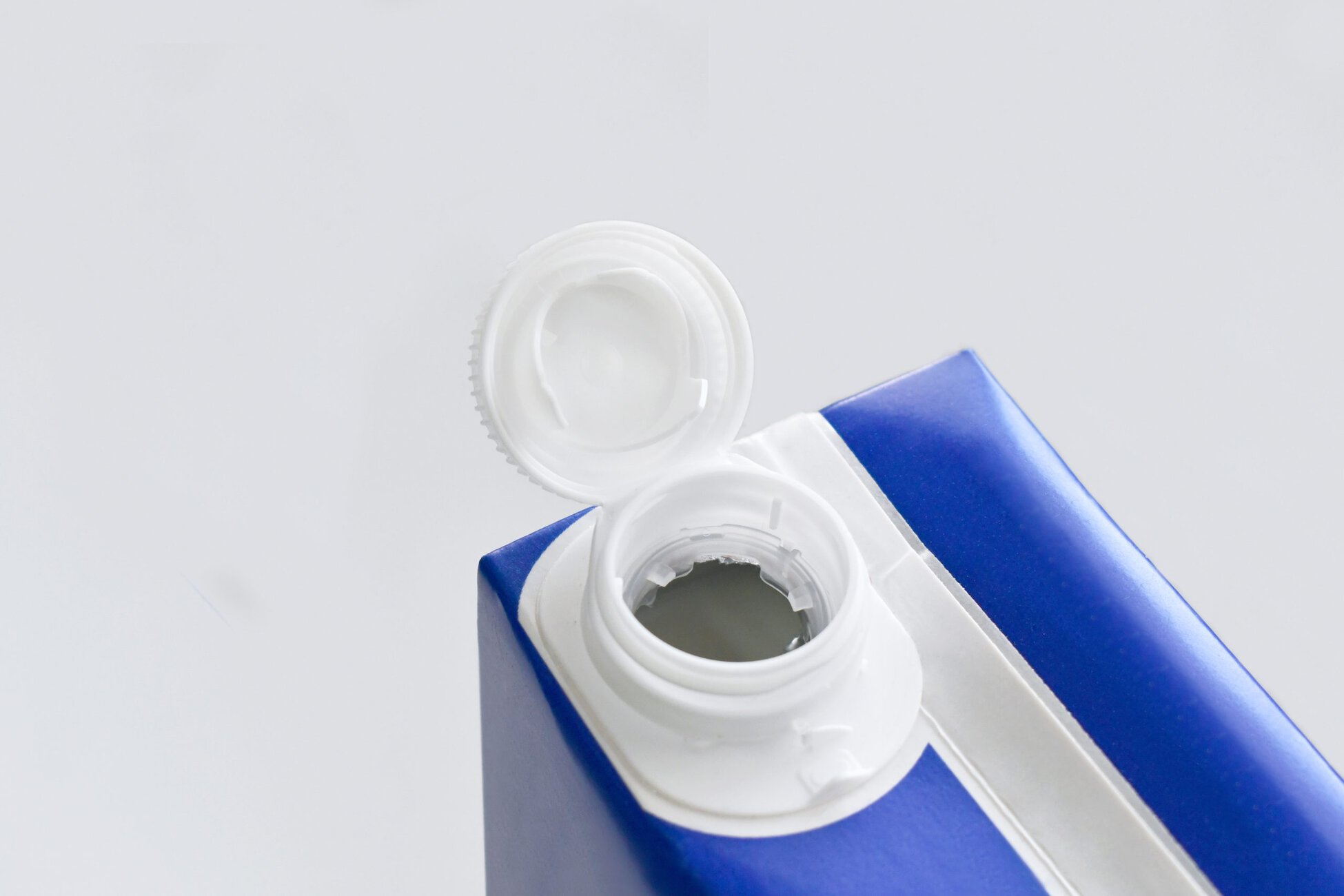
Shelf Stable Milk
Ultra-pasteurized milk that is bottled in special aseptic packaging to create a sterile shelf-stable product.
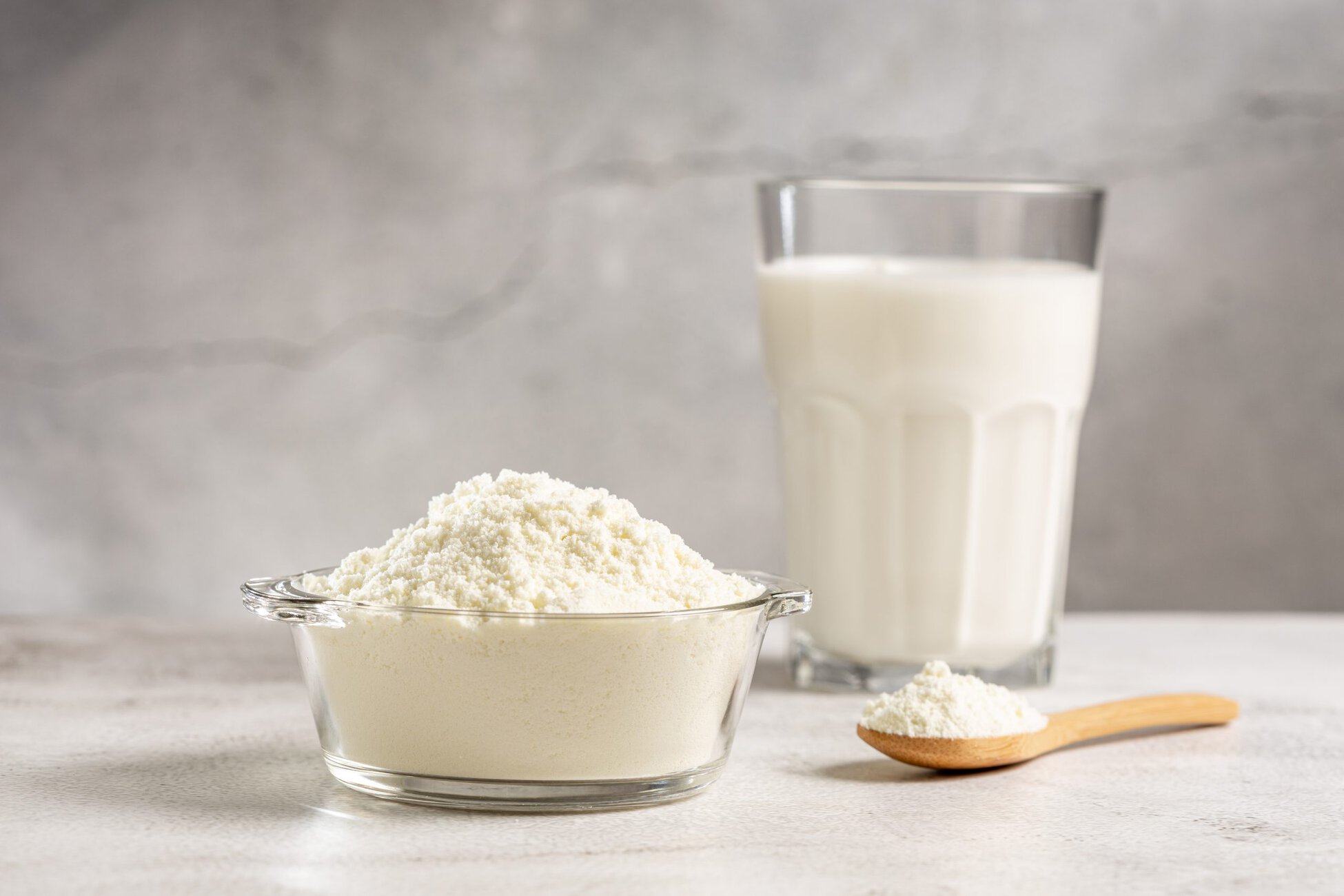
Powdered Milk
After milk is pasteurized, 97% of water is removed by evaporation and spray drying. When stored in dry, cool conditions it has a shelf life in excess of two years.
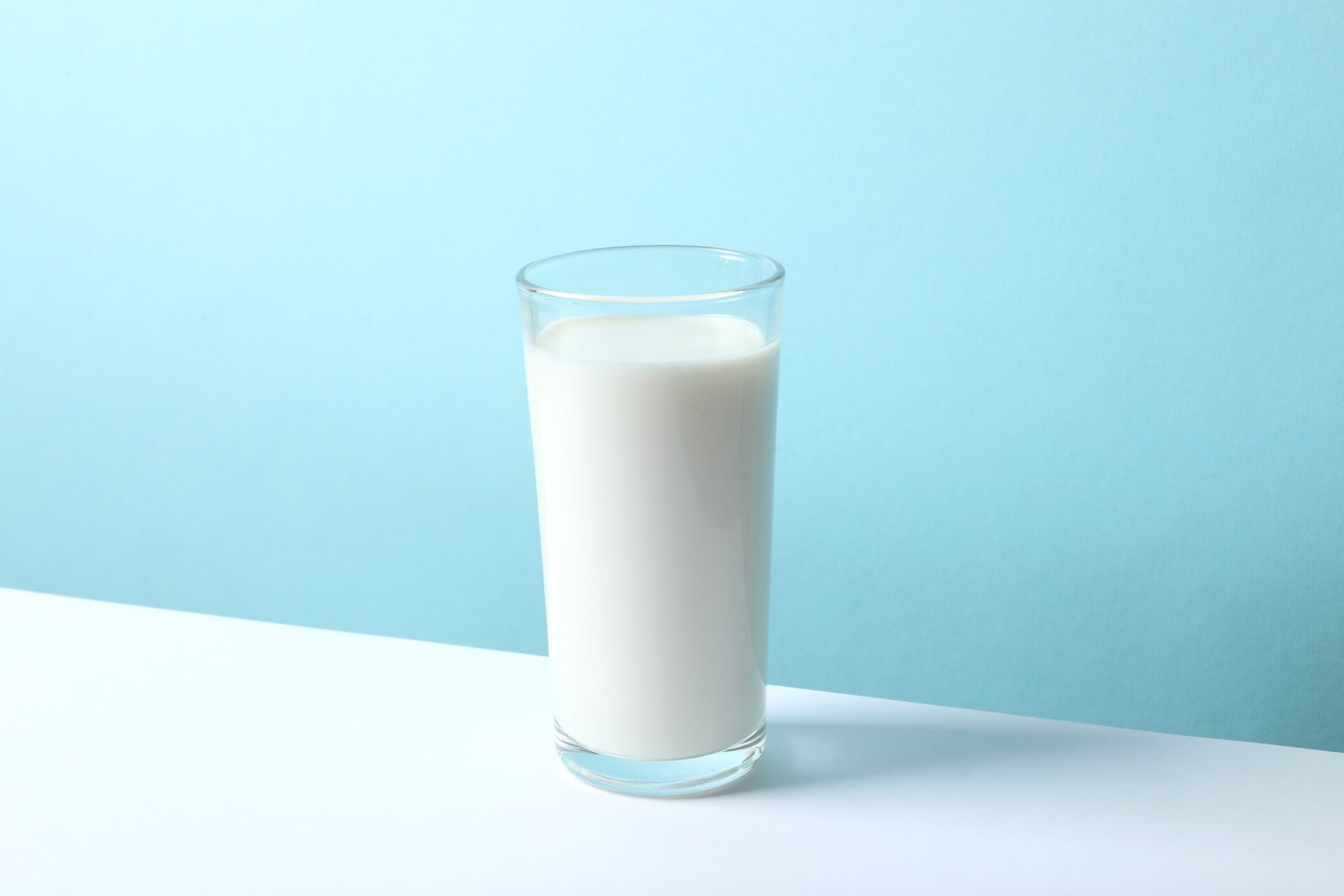
A2 Milk
Milk from dairy cows that produce concentrated A2 beta casein, a type of dairy protein. While regular milk contains both A1 and A2 beta casein, A2 milk only contains A2, which is thought to be easier to digest. However, more science is needed to support this.
Cheese
Cheese is a dairy food made by combining milk with starter cultures, enzymes and salt. The cheesemaking process creates nearly 2,000 varieties of cheese, each with its own flavor, texture and best uses in the kitchen.
Cheese provides 8 essential nutrients:
- Calcium
- Niacin
- Protein
- Riboflavin
- Phosphorus
- Selenium
- Vitamin B12
- Iodine
Cheese is the second-largest source of calcium in the American diet. Ohio is a national leader in cheesemaking and ranks first nationally in Swiss cheese production.
Types of Cheese
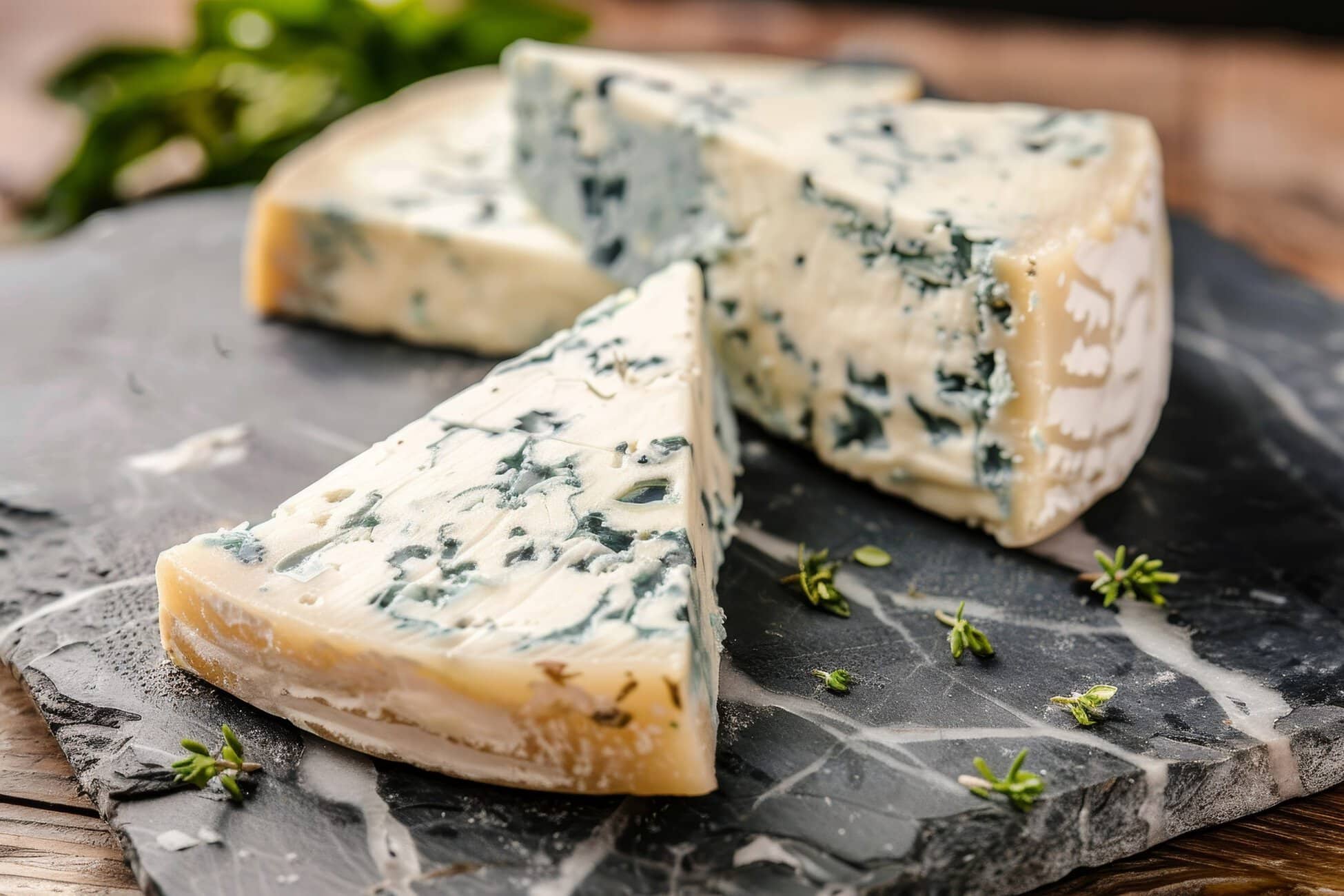
Blue-veined Cheeses
These cheeses are made by adding blue mold cultures directly to milk. During the cheesemaking process, the cheese is pierced with thin skewers to create veins where oxygen encourages the mold to grow. They have a distinct flavor and soft and crumbly texture. Some examples are Blue Cheese and Gorgonzola.
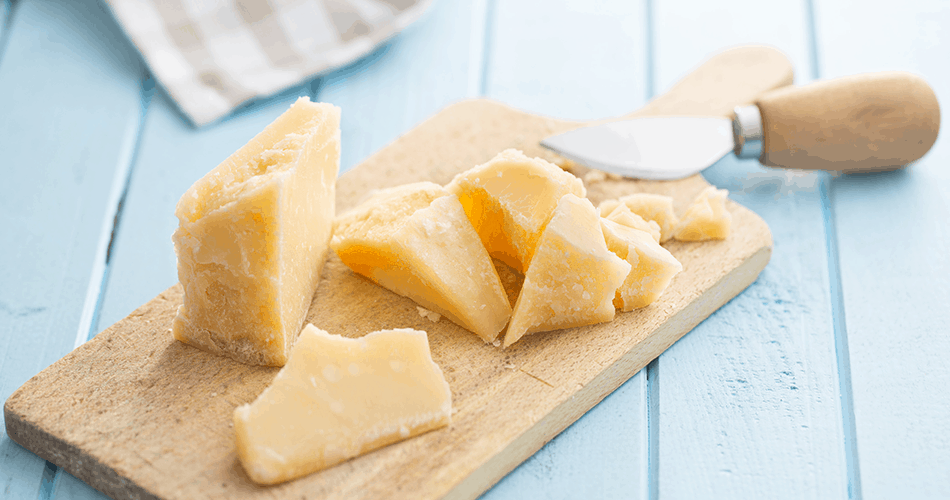
Hard Cheeses
Hard cheeses are pressed and aged the longest to remove much of their moisture, giving them a longer shelf life. These cheeses are dry and crumbly and have a strong and savory taste. Examples are Parmesan, Asiago and Romano.
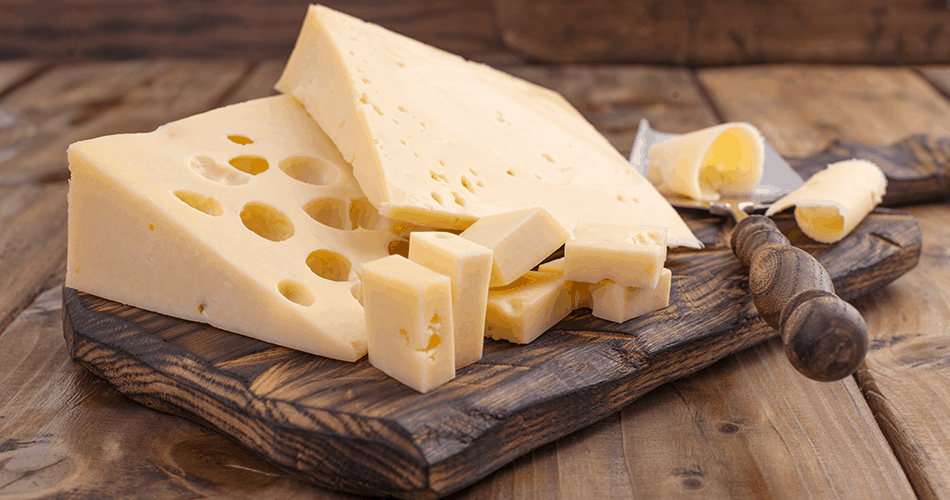
Semi-hard Cheeses
These cheeses are pressed into a mold and are aged for at least eight months. There are dense and firm but still have some springiness. Their flavor characteristics can vary greatly, but tend to be well balanced, and smooth. Some examples include Cheddar, Swiss, Gouda, Gruyere and Edam.
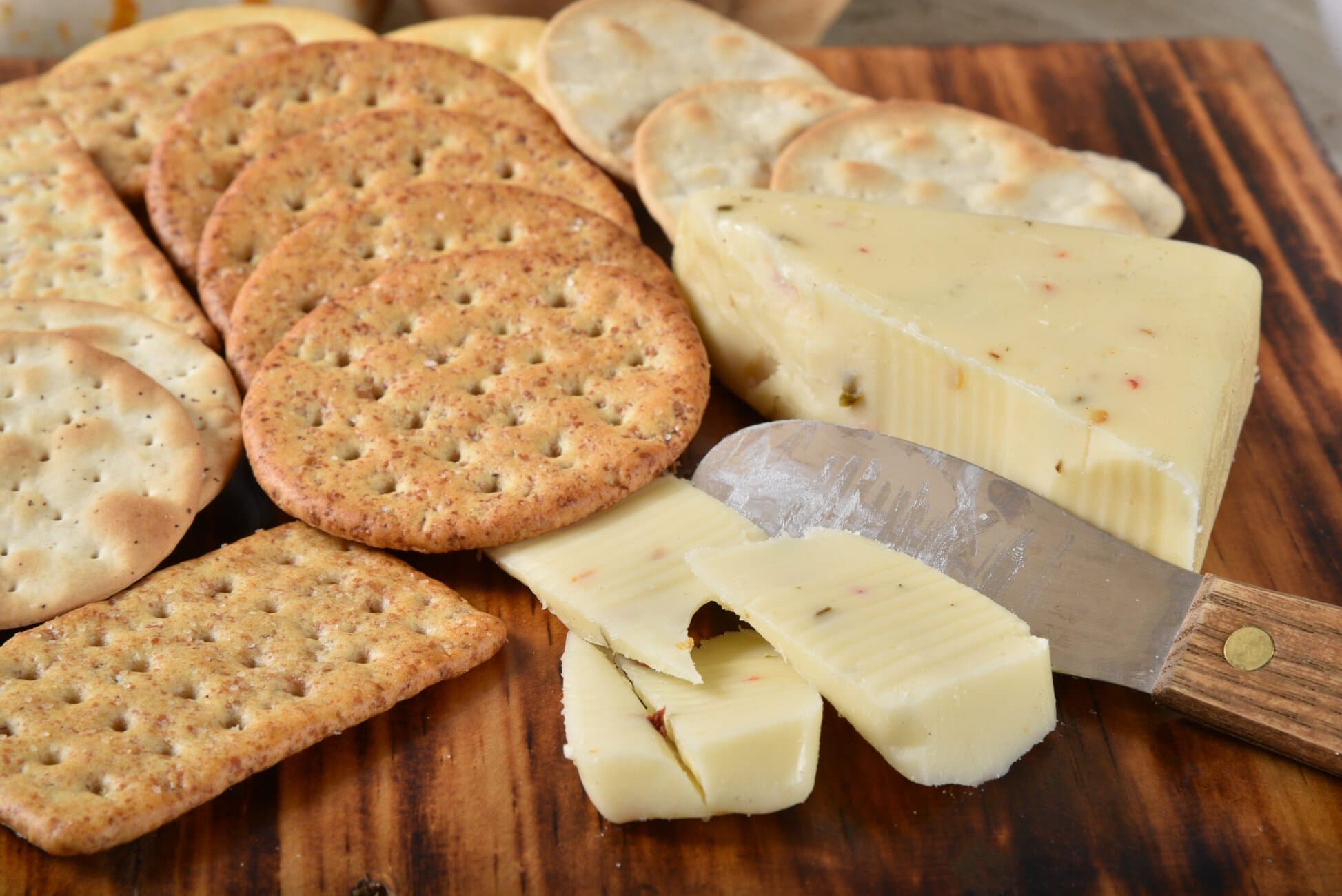
Semi-soft Cheeses
Semi-soft cheeses are all made with whole milk, giving them a soft and creamy texture. These cheeses are more dense than soft cheeses and have a mild and buttery taste. Some of these cheeses have a small rind from being lightly pressed into a mold. Some examples include Muenster, Havarti, Fontina and Pepper Jack.
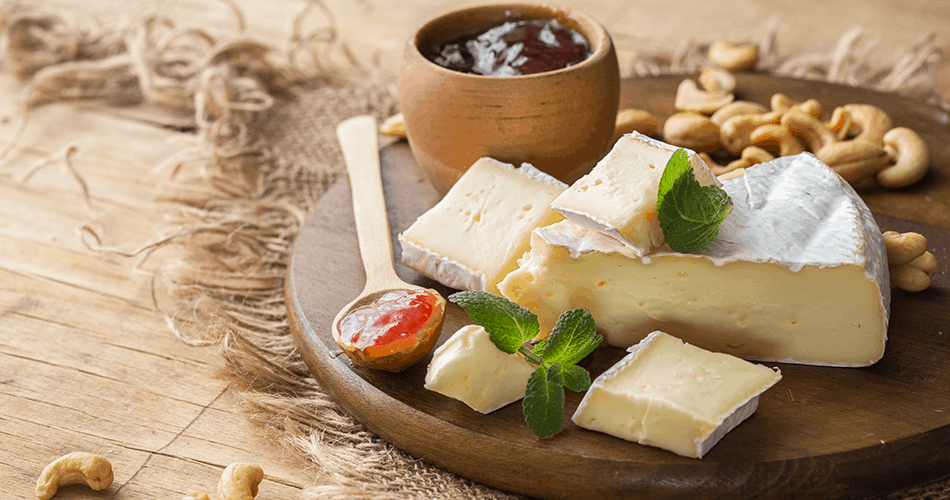
Soft-ripened Cheeses
These cheeses are ripened when briefly exposed to mold cultures that form a thin, white or cream-colored rind that is soft and edible (also known as a bloomy rind). Soft-ripened cheeses have a high moisture level and fat content, resulting in a buttery taste and creamy texture. Some examples are Brie and Camembert.
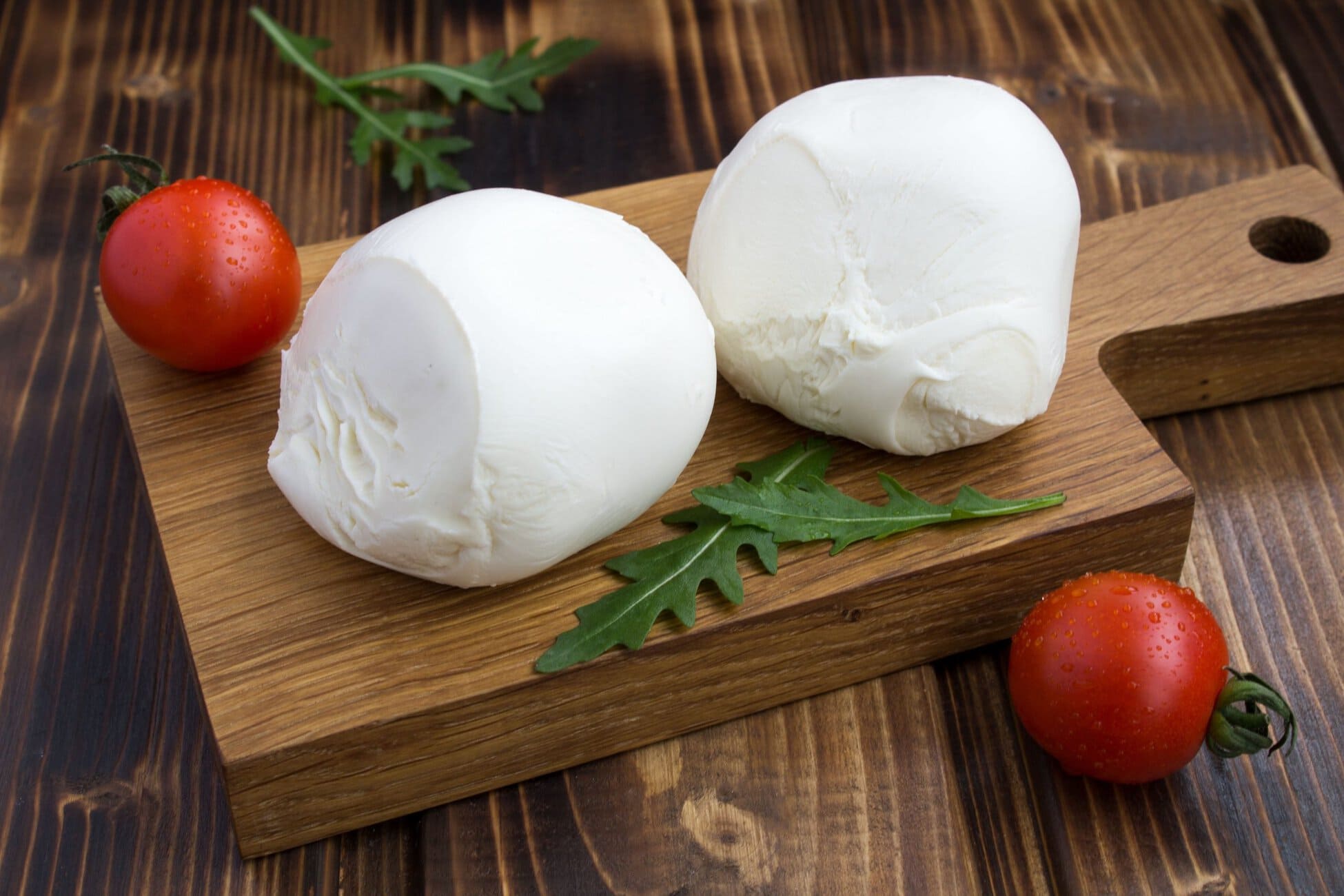
Soft Fresh Cheeses
Only one step removed from milk, these cheeses contain the highest moisture content of any cheeses. They are not aged or ripened and do not have rinds, have a mild, delicate and creamy flavor and are smooth and often spreadable. They are white throughout, but sometimes natural colors like betta carotene or annatto are added to give a uniform orange color. Some examples include Fresh Mozzarella, Ricotta, Cream Cheese, Cottage Cheese and Feta.
Yogurt
Yogurt is a dairy food made from milk and live, active bacterial cultures, typically Lactobacillus bulgaricus and Streptococcus thermophilus, that provide essential nutrients for overall health, as well as digestive health.
Yogurt provides 9 essential nutrients:
- Calcium
- Protein
- Phosphorus
- Vitamin B12
- Riboflavin
- Pantothenic acid
- Zinc
- Selenium
- Iodine
Types of Yogurt
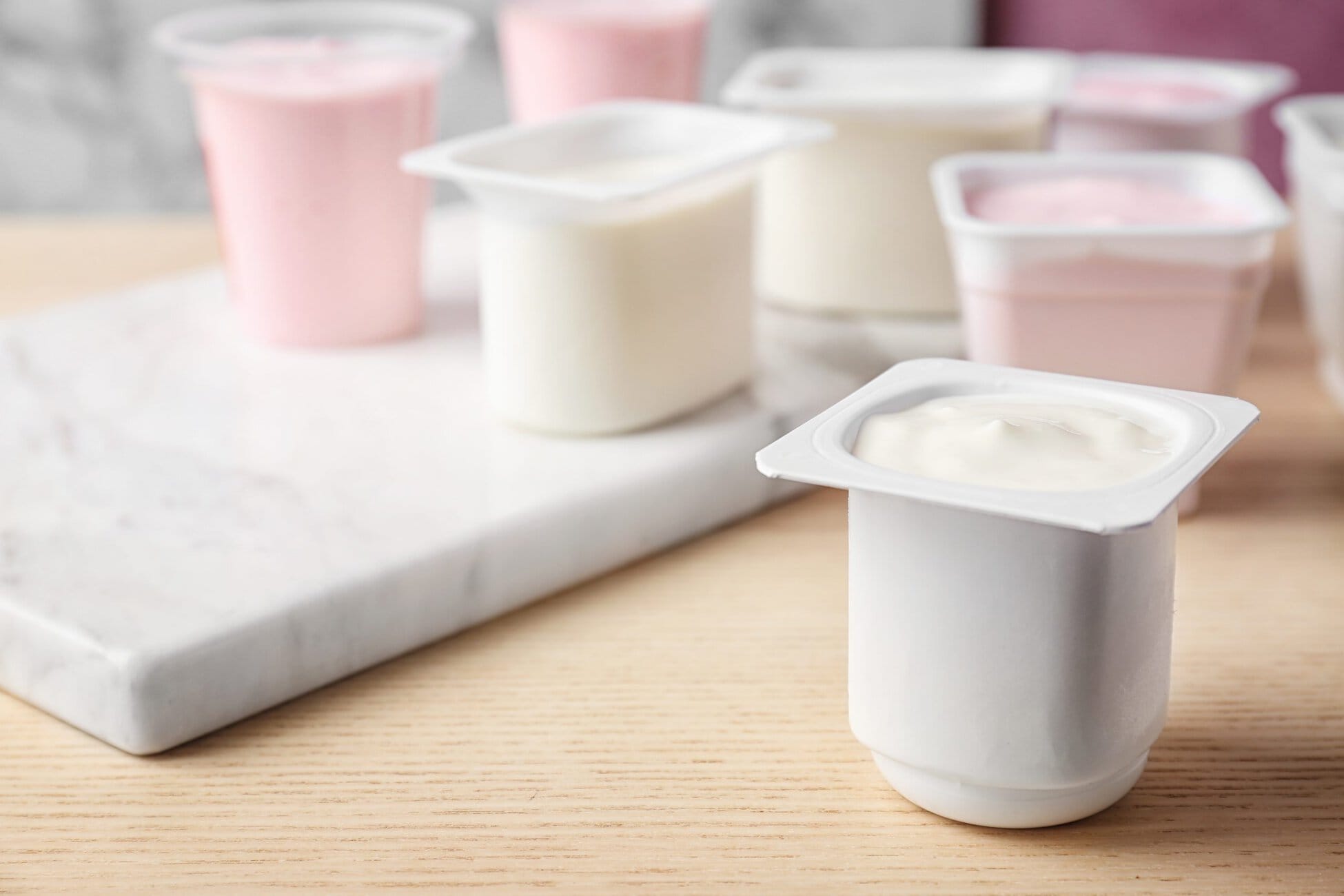
Traditional Yogurt
Yogurt is made from cow’s milk that is fermented by adding the cultures Lactobacillus bulgaricus and Streptococcus thermophilus. As these cultures grow, the milk thickens and becomes tangy and tart, resulting in a creamy texture. It is unstrained, so it is not as thick as other types of yogurts. Traditional yogurt can be made by using whole, low fat or fat free milk.
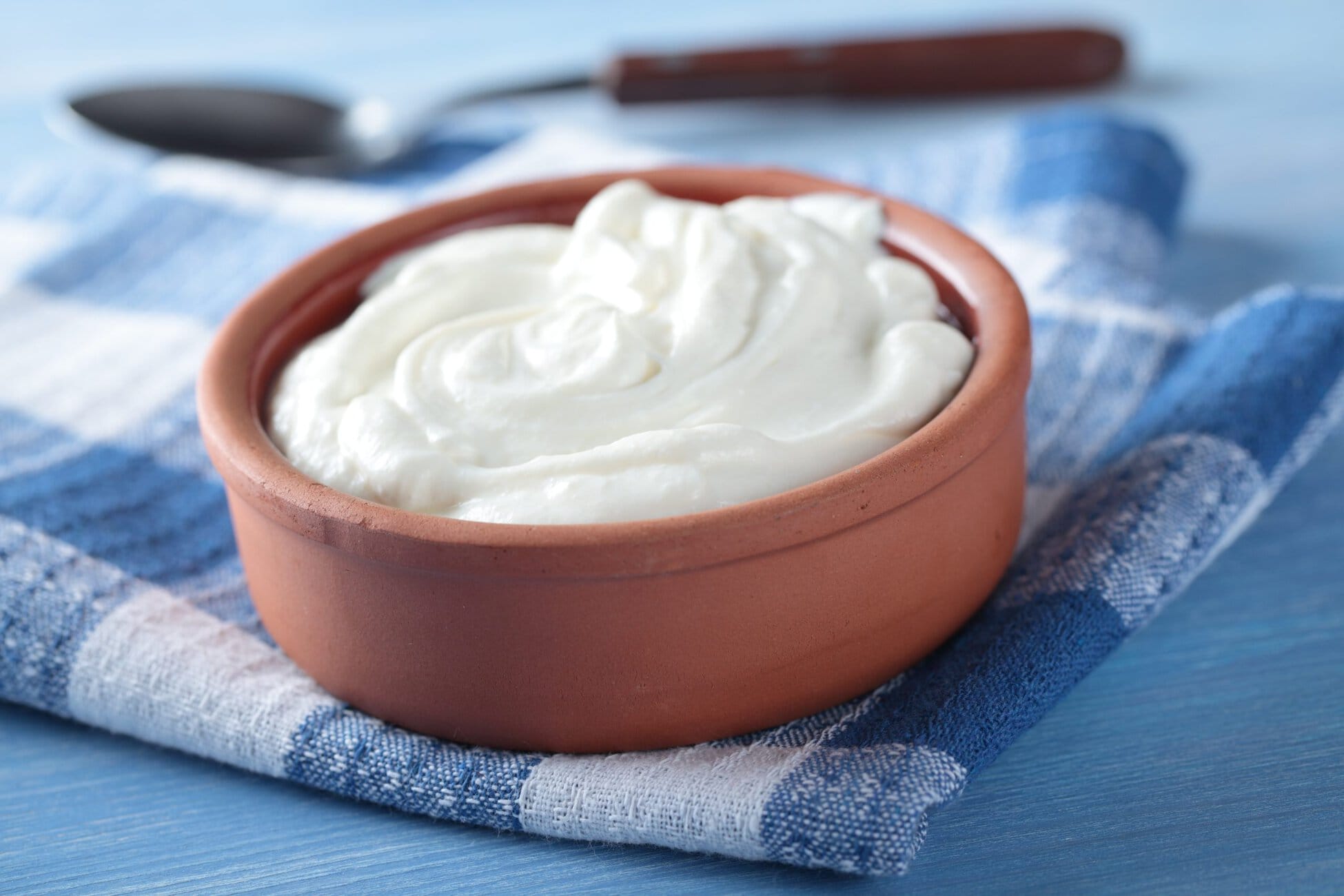
Greek Yogurt
Greek yogurt is made when traditional yogurt is strained to remove the liquid whey, resulting in a thicker, creamier and more tart yogurt. Greek yogurt is higher in protein, slightly lower in calcium, and lower in lactose (the natural carbohydrate in milk) compared to regular yogurt.
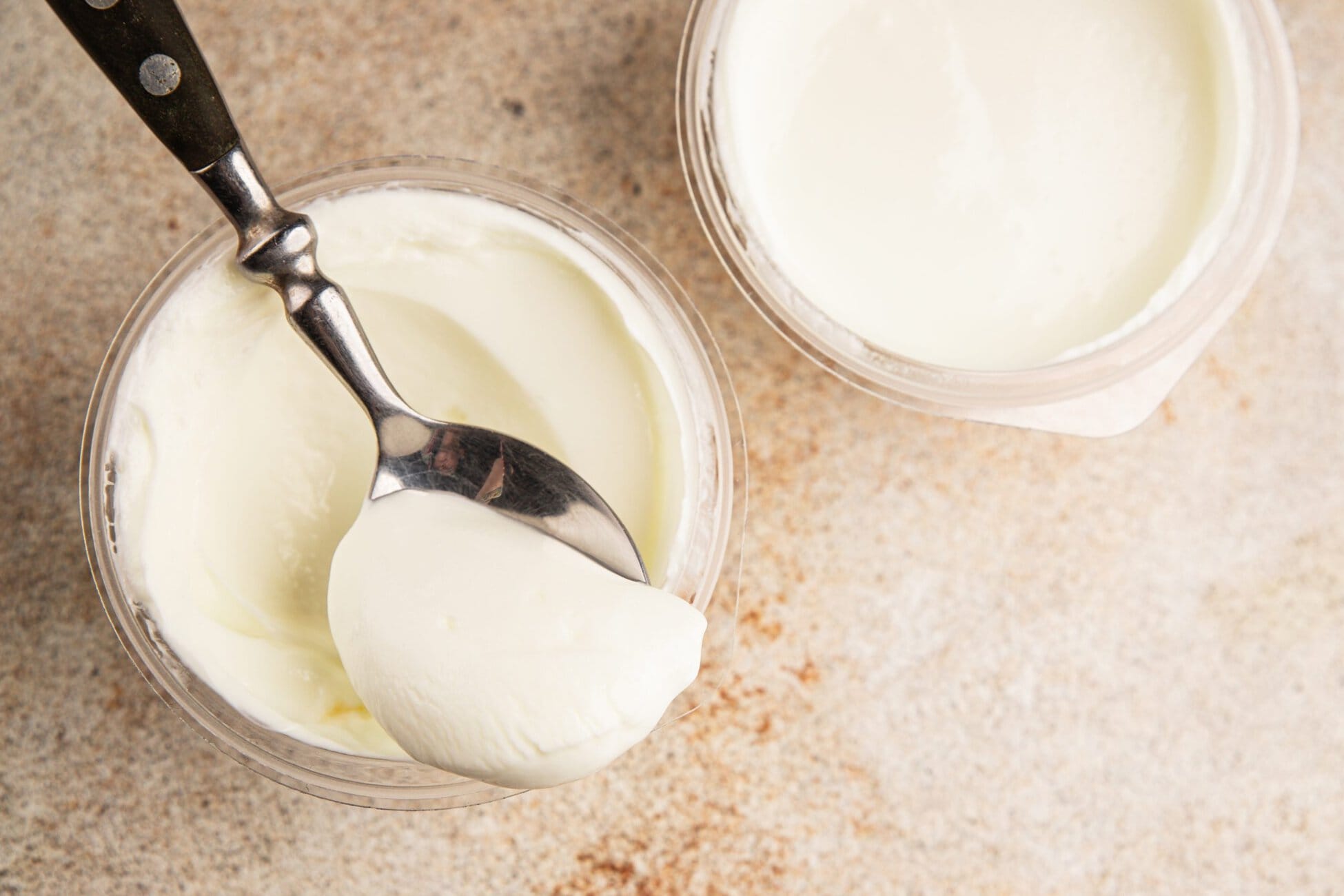
Icelandic Yogurt
This yogurt is made when the whey is strained four times, creating the thickest and creamiest yogurt available. It is usually mildly tangy and less tart than Greek yogurt. This type of yogurt is also known as Skyr, which is the Icelandic word for yogurt.
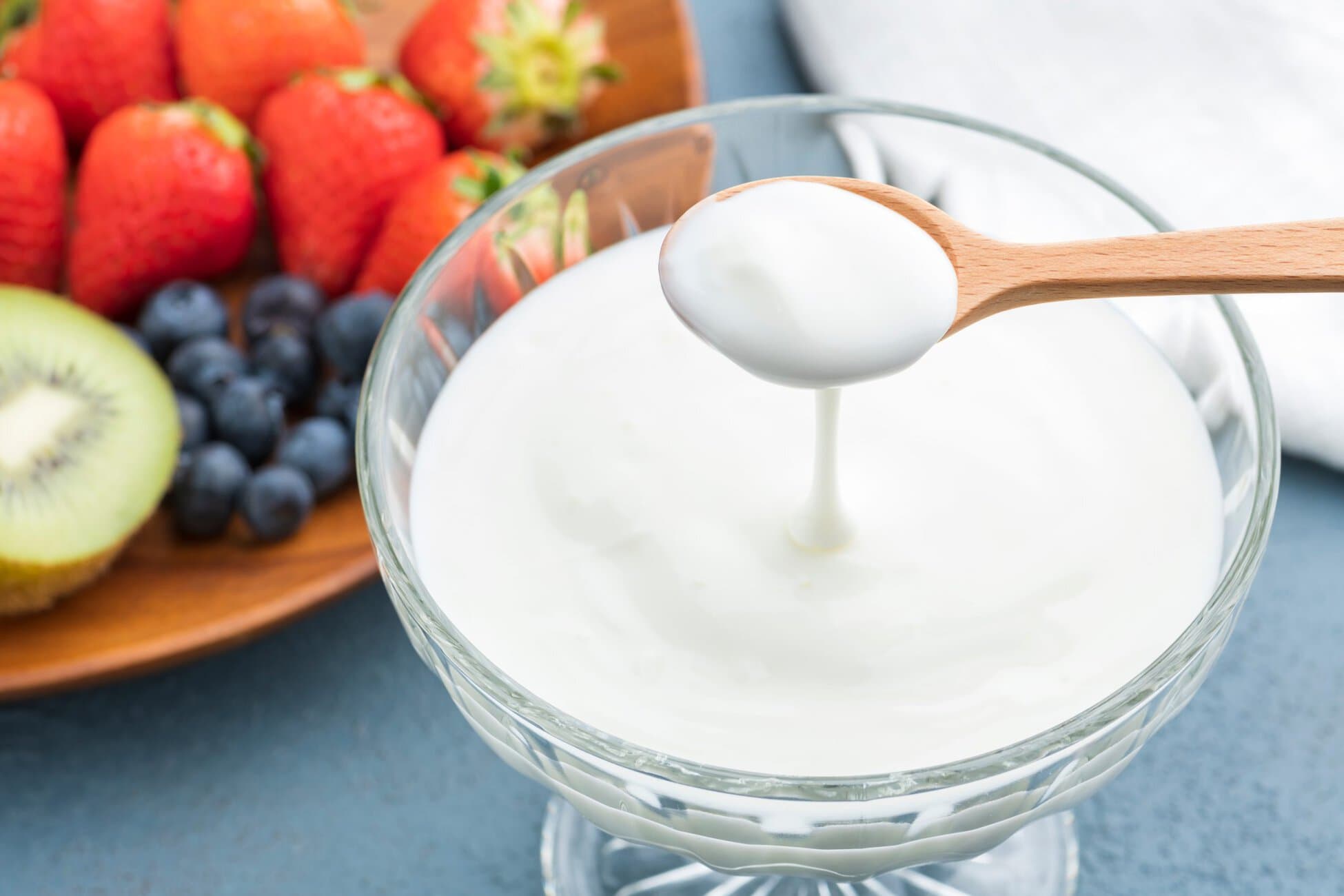
Australian Yogurt
This yogurt is unstrained but a little richer and creamier than traditional yogurt, which can vary by the type of milk fat being used. Some brands may use only whole milk, while nonfat milk brands may cook it slower and longer than traditional yogurt to achieve that extra creaminess. It is also known as “Aussie Style.”
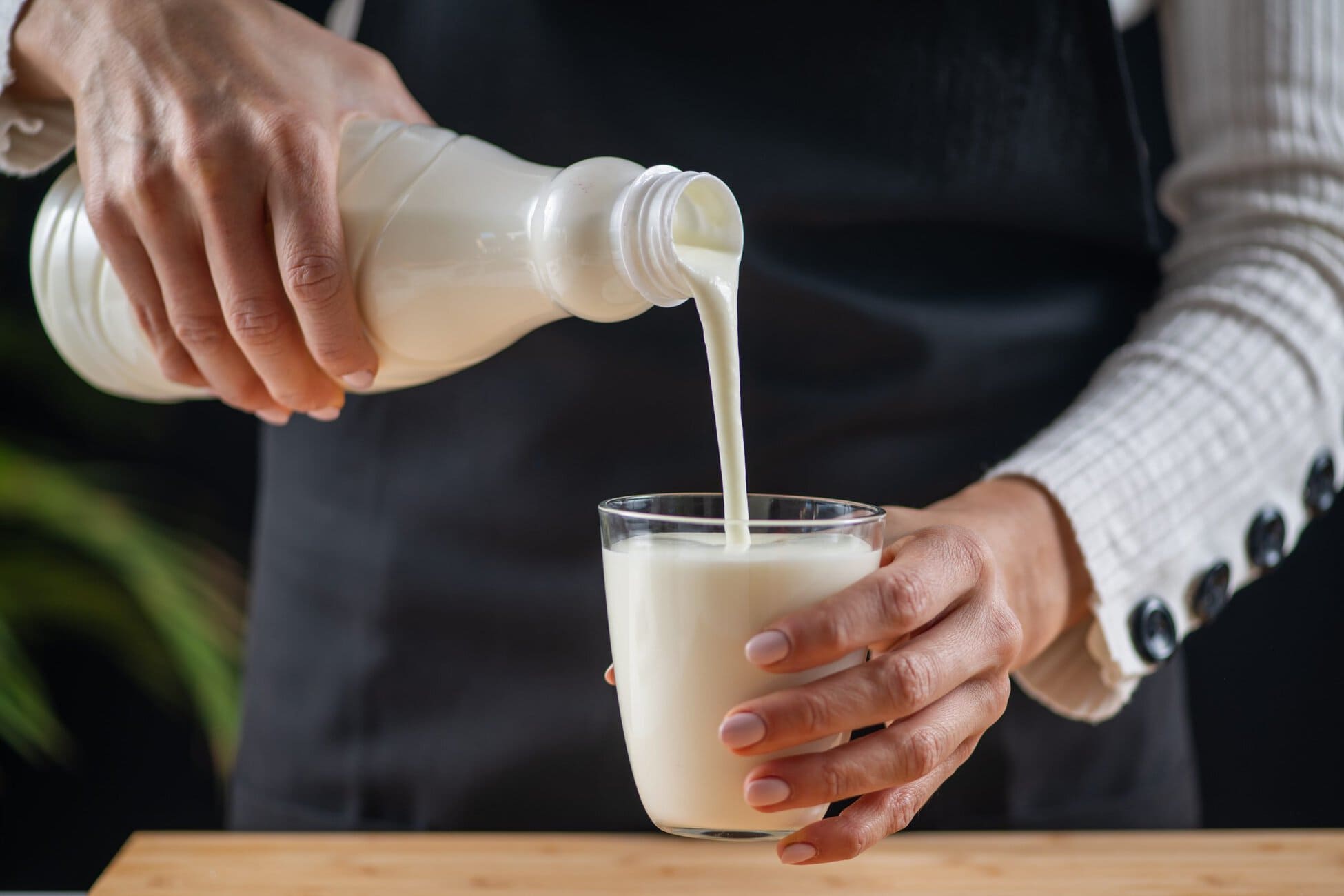
Kefir Yogurt
Kefir is a fermented milk drink similar to a thin yogurt. It is fermented multiple times with a specific bacteria from kefir grains which produce more probiotics than yogurt. It is slightly bubbly and mildly tart, and has less lactose (the natural carbohydrate in milk) compared to yogurt. In the Turkish language, kefir means “good feeling.”
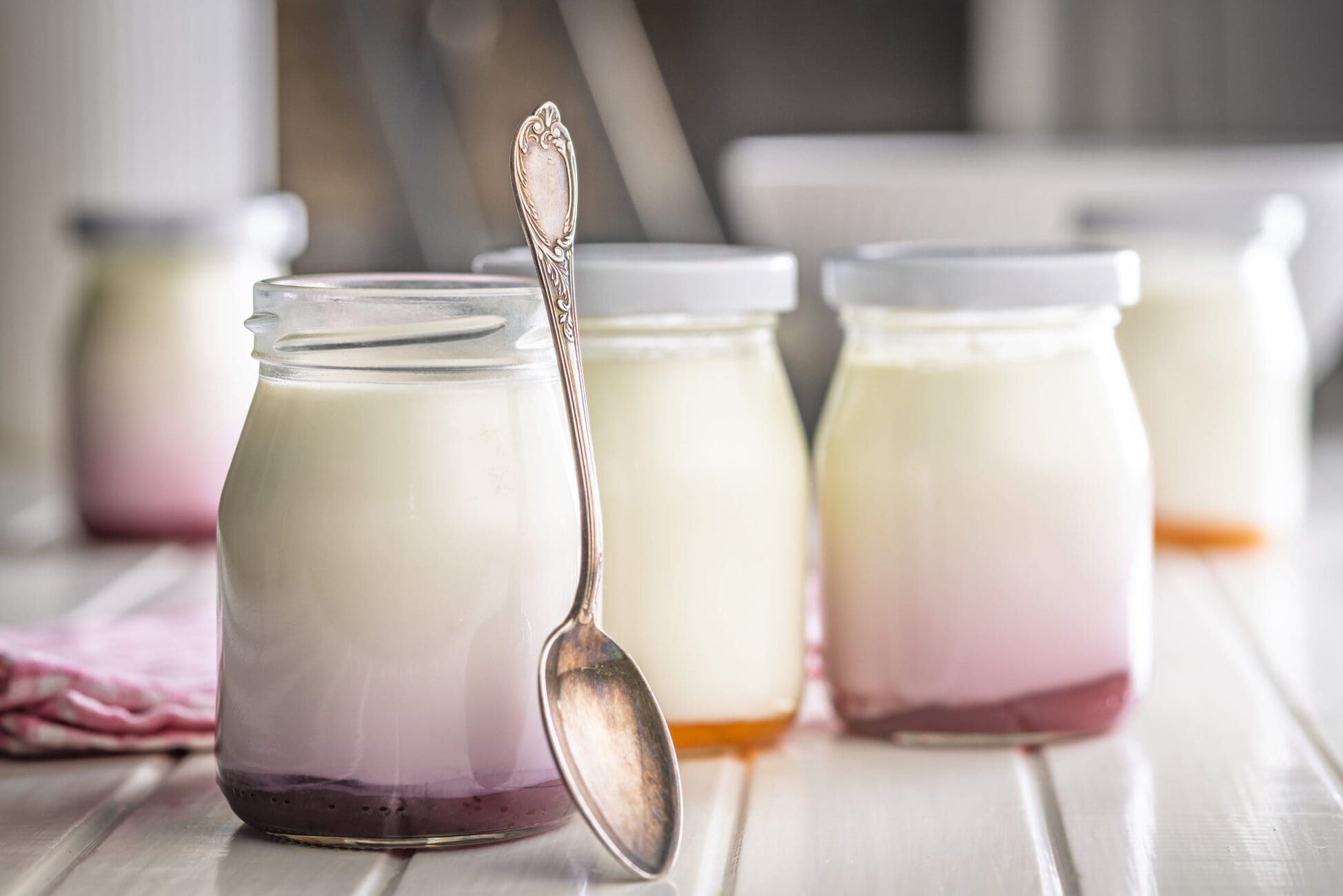
French-style Yogurt
French-style yogurt is made in small batches using whole milk and ingredients like cane sugar, fruit (if flavored) and yogurt cultures. Using a technique called “pot-set,” it is poured into individual glass containers to set and culture for 8 hours. The result is a thicker, firmer yogurt that is not as tart.
Ice Cream
Ice cream is a dairy dessert made from milk and cream, blended with sweeteners and flavorings, then frozen and churned to create a smooth, creamy texture.
Ice cream must contain at least 10% milkfat to be labeled as ice cream in the U.S., and it comes in a wide variety of flavors and styles to be enjoyed as an occasional treat.
How is Ice Cream Made?
Resources about Types of Dairy Foods
What is Greek Yogurt?
Greek yogurt can play an important role in your health.
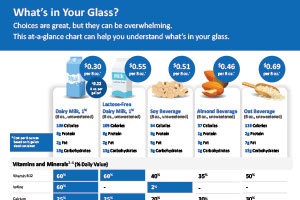
What’s In Your Glass?
This at-a-glance chart can help you understand what’s in your glass.
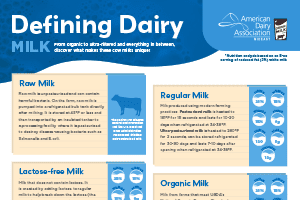
Defining Dairy: Milk
From organic to ultra-filtered and everything in between, discover what makes these cow milks unique!
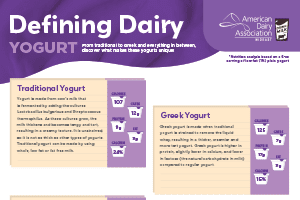
Defining Dairy: Yogurt
From traditional to Greek and everything in between, discover what makes these yogurts unique!
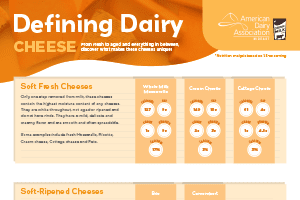
Defining Dairy: Cheese
From fresh to aged and everything in between, discover what makes these cheeses unique!
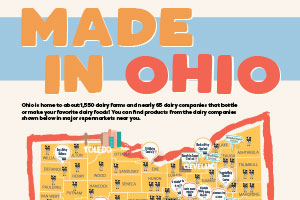
Dairy Foods Made in Ohio
See where delicious dairy foods are made in Ohio.
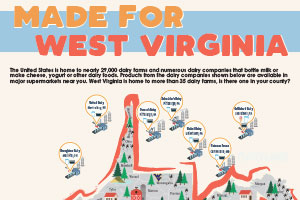
Dairy Foods Made for West Virginia
See where delicious dairy foods are made for West Virginia.
Keep Your Dairy Fresh
Tips to keep your dairy fresh and how to use every bit of the dairy in your fridge.
Fact Sheet: Organic Milk
Information about organic milk and farming practices.
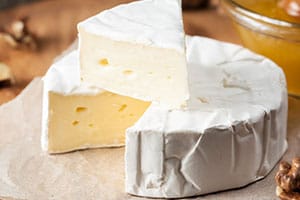
Cheese Storage Tips
What’s the best way to store cheese? It depends on the kind of cheese!
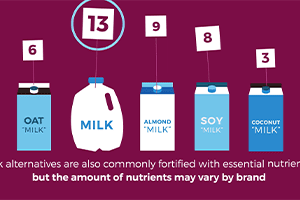
Decoding the Dairy Case
Find out how cow’s milk stacks up against other “milks” like soy, almond and oat beverages.
How Ice Cream is Made
Get the scoop on how delicious ice cream is made!