Performance & Recovery
Whether you're exercising, working or simply living an active life, dairy foods provide the protein and nutrients your body needs to fuel performance and support recovery.
How Dairy Fuels Performance
The body relies on a steady supply of energy to perform at its best. Dairy foods provide important nutrients that support energy production, including:
- Carbohydrates that help fuel exercise and replenish energy stores
- High-quality protein that supports muscle function
- B vitamins that help convert food into usable energy
The combination of proteins and nutrients in dairy are digested more slowly than many quick-energy foods, helping provide longer-lasting, sustained energy to support active lifestyles and physically demanding days.

How Dairy Supports Recovery
Recovery is an essential part of performance. After physical activity, the body needs to repair muscle, restore energy and replace fluids lost through sweat.
Repairing Muscles
Protein plays an important role in building and repairing muscle tissue. Milk, cheese and yogurt provide high-quality protein that supports muscle growth and maintenance.
Complete Protein for Muscle Growth
Dairy is a complete protein, meaning it provides all nine essential amino acids the body needs to build and maintain muscle. Because the body cannot produce essential amino acids on its own, they must come from food. Other complete proteins include meat, seafood and eggs.
Protein That Lasts
The two primary proteins found in dairy foods are whey and casein. Whey is digested more quickly and casein more slowly, helping dairy deliver protein to muscles both immediately after exercise and over time to support muscle recovery and growth.
This unique combination of complete, high-quality protein is what makes dairy protein the gold standard for sustaining energy and maximizing muscle potential.
Refueling Energy Stores
Physical activity uses stored energy. Dairy foods provide carbohydrates that help replenish glycogen, the body's primary source of stored energy, helping prepare muscles for the next workout, practice or physically demanding day.
Rehydrating Fluids & Electrolytes
Exercise can deplete fluids and electrolytes, especially during longer or more intense activity. Replacing them is important for hydration, performance and muscle function.
Milk naturally contains electrolytes such as calcium, potassium, sodium and magnesium, which help restore hydration and support normal muscle function. Studies have shown that milk can be an effective option for rehydration after exercise, helping replace fluids lost during activity while also delivering nutrients that support recovery.
Why Chocolate Milk is a Great Recovery Drink
Chocolate milk combines many of the nutrients needed after exercise in one convenient beverage.
Every 8-ounce serving of chocolate milk provides:
- 8 grams of high-quality protein
- Carbohydrates to help refuel energy stores
- Fluids to support rehydration
- 13 essential nutrients, including electrolytes such as calcium, potassium, sodium and magnesium
Chocolate milk also provides a carbohydrate-to-protein ratio of about 3:1, a combination shown to help refuel exhausted muscles and support recovery after exercise.
Chocolate milk has even been recognized as the official beverage of high school sports in Ohio and West Virginia through partnerships with the Ohio High School Athletic Association (OHSAA) and West Virginia Secondary School Activities Commission (WVSSAC). These partnerships help support student-athletes by promoting nutrition, recovery and healthy habits—both on and off the field.
Performance & Recovery Resources
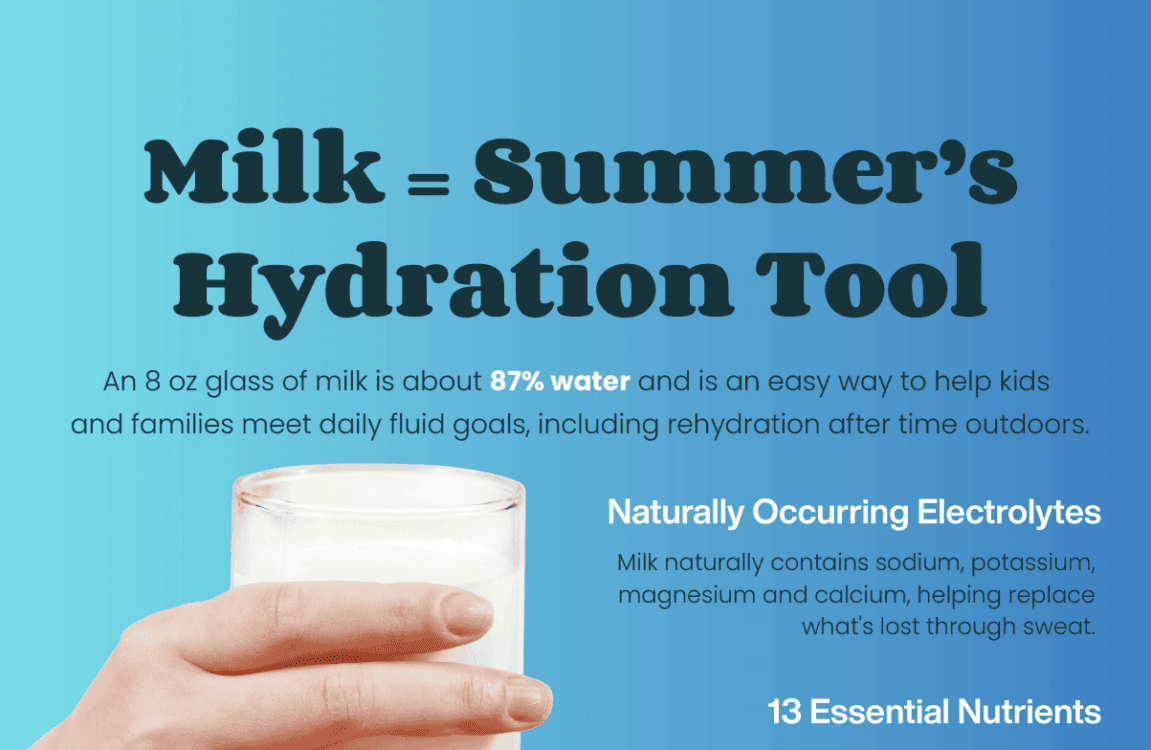
Hydrate with Milk
Milk contains 87% water, electrolytes along with 13 essential nutrients to help keep you hydrated.

Dairy’s High-Quality Protein
Dairy foods can help you feel strong and energized.
Power of Protein: Quality Matters
Protein is naturally found in a variety of animal and plant foods, but not all is equal.
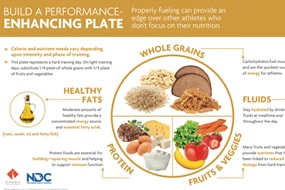
Recommendations by Sports Dietitians
Advice on hydration, protein needs, pre-workout nutrition and fueling during exercise and recovery.
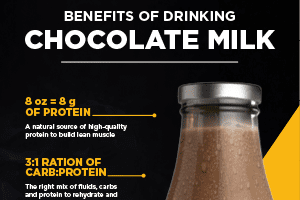
Chocolate Milk: Official Beverage of OHSAA
Chocolate milk has 13 essential nutrients, including 8 grams of protein to help build greatness.
Chocolate Milk: Official Beverage of WVSSAC
Chocolate milk has the right mix of fluids, carbs and protein to power potential.
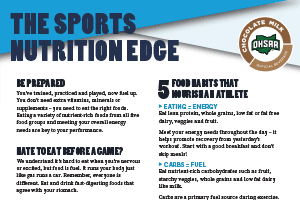
The Sports Nutrition Edge OHSAA Series
Tips on nutrition, protein, recovery, hydration, snacking and breakfast for the student athlete.
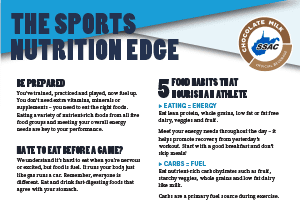
The Sports Nutrition Edge WVSSAC Series
Tips on nutrition, protein, recovery, hydration, snacking and breakfast for the student athlete.
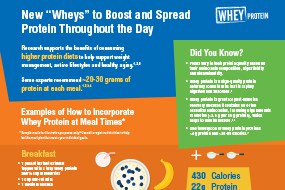
Wheys to Boost Protein Throughout the Day
Ideas for adding whey protein to foods and beverages for relatively few calories.
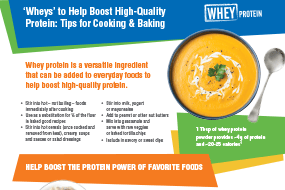
Wheys to Boost Protein – Tips for Cooking & Baking
Whey protein is a versatile ingredient that can be added to food to help boost high-quality protein.
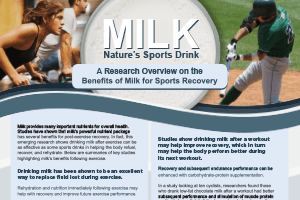
Milk – Nature’s Sports Drink
A research overview on the benefits of milk for sports recovery.
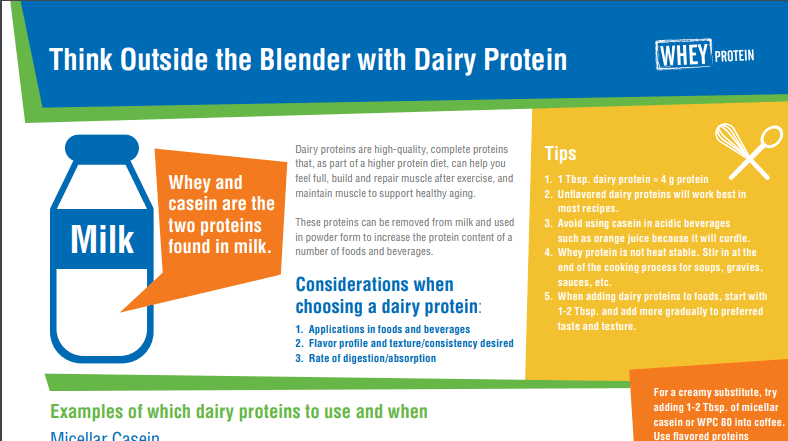
Think Outside the Blender with Dairy Protein
Tips and examples of which dairy proteins to use and when.