
Sustainability on Dairy Farms
The majority of dairy farmers in Ohio and West Virginia live on or near the land that they farm. As tenants of the land, they understand the importance of protecting our natural resources.
By using science, innovation and sustainable farming practices, dairy farmers are continually finding ways to produce wholesome milk while reducing their environmental footprint.
Shrinking Dairy’s Environmental Footprint
More milk is being produced today using fewer natural resources. Improvements in cow comfort, nutrition, genetics and modern barn design have helped reduce the resources needed to produce a gallon of milk, requiring 30% less water, 21% less land and a 19% smaller carbon footprint than it did in 2007, based on 2017 data.
Although U.S. dairy accounts for only about 2% of total U.S. greenhouse gas emissions, dairy farmers continue to focus on innovation and efficiency to further reduce environmental impact while producing milk responsibly.
Respecting & Recycling Water
Water quality and conservation matter to dairy farmers because they often live on the land they farm and rely on the same local water sources.
How Do Dairy Farmers Protect Water Quality?
Dairy farmers use science‑based practices and follow strict regulations to protect nearby streams, rivers and lakes, including:
- Applying manure as a natural fertilizer according to federal, state and local guidelines so nutrients are absorbed by crops, not groundwater
- Planting vegetative buffer strips along fields to help prevent runoff
- Installing catch basins and other systems to keep nutrients out of waterways
- Regular water testing and inspections conducted by state and local agencies
Using manure to improve soil health can also increase the soil’s water‑holding capacity by up to 20%, which helps reduce the need for groundwater when growing crops.
How is Water Recycled on Dairy Farms?
Dairy farmers also focus on using water efficiently by reusing it whenever possible.
Many dairy farms reuse water an average of three to five times. On a typical farm, the same gallon of water may be used to water cows, cool fresh milk, and clean equipment before being reused again to irrigate feed crops.
Managing Manure Responsibly
Manure management plays an important role in dairy farming and environmental stewardship. When managed properly, dairy cow manure is a local, natural resource that helps return valuable nutrients to the soil to support future crops.
What Happens to Manure on Dairy Farms?
Dairy farmers remove manure from barns and store it temporarily in systems such as pits, tanks, or holding ponds until it can be reused responsibly. Farmers are required to keep detailed records and follow nutrient management plans that guide how manure is stored and used.
A single dairy cow produces about 17 gallons of manure per day, which is enough natural fertilizer to help grow 46 pounds of corn. Returning these nutrients to the soil helps support crop growth and reduce the need for commercial fertilizers.
How is Manure Used Safely & Effectively?
Manure is applied to crop fields only when conditions are right and according to specific nutrient management plans. These plans consider factors such as:
- Soil type and field conditions
- Slope and terrain
- Weather and soil moisture
- Nutrient needs for the next crop
Using manure in this way can improve soil health, increase water‑holding capacity, and support crop productivity.
What Technologies Support Manure Management?
Some dairy farms use anaerobic digesters to manage manure. These systems capture methane and convert it into renewable energy that can power farms, homes, or even local communities.
Other farms use manure‑separation technology to remove moisture and create clean, dry, comfortable bedding for cows.
Through careful planning, modern tools, and ongoing innovation, dairy farmers manage manure in ways that support soil health, protect water quality, and make the most of available resources.
Supporting Healthy Ecosystems
Dairy farmers recognize they are part of a larger natural ecosystem, where decisions about soil, water, and nutrients matter beyond the farm.
Many farms support soil health by increasing organic matter through manure‑based products, using reduced‑tillage practices, and planting cover crops. These approaches help improve water retention, support biodiversity, and reduce reliance on synthetic fertilizers. Together, they contribute to more resilient farms and healthier land for the long term.
Feed Innovation & Upcycling
Dairy cows play an important role in reducing food waste. Thanks to their unique digestive systems, cows can turn many byproducts that people can’t eat into nutritious milk. In fact, up to one‑third of a dairy cow’s diet can include byproducts from agriculture and food production, such as almond hulls, cottonseed, distillers’ grains, and citrus pulp.
Using these byproducts as feed keeps materials out of landfills and reduces the greenhouse gas emissions that would occur if they were transported and decomposed elsewhere. It also allows some dairy farms to operate on land that isn’t suitable for growing crops, leaving more crop‑friendly land available for food production.
How is Feed Innovation Helping Reduce Emissions?
Dairy farmers and scientists are also exploring new feed solutions that could further reduce emissions. Researchers are evaluating feed additives, such as plant extracts, essential oils, and certain seaweed varieties, that show promise in lowering methane emissions during digestion.
While research continues, some feed additives have demonstrated the potential to reduce methane emissions by 20–50%, helping dairy farms make continued progress toward long‑term sustainability goals.
U.S. Dairy’s 2050 Environmental Goals
Dairy farmers are committed to continued progress, with a shared vision of dairy as part of the environmental solution. Looking ahead to 2050, the U.S. dairy industry is focused on three key goals:
- Achieve greenhouse gas neutrality
- Optimize water use while increasing recycling
- Improve water quality through responsible manure and nutrient management
To support this work, the industry launched the U.S. Dairy Net Zero Initiative, which focuses on practical, science‑based solutions. Through research, farm‑level projects, and new technologies, the initiative helps farmers improve areas such as feed production, manure management, energy efficiency, and renewable energy, recognizing that solutions vary from farm to farm.
Sustainability Resources
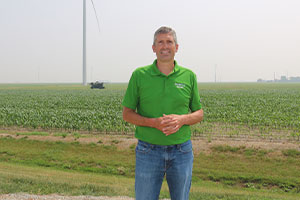
New Technology: Advancing Sustainability
Trent Stoller is using new technology to protect and improve the environment.
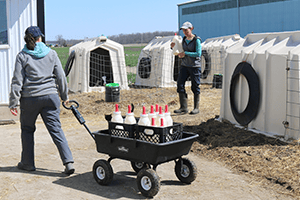
6 Genius Ways Farmers Reduce, Reuse & Recycle
Reducing waste, reusing resources and recycling trash into treasure.

Secret Life of a Dairy Farm
Every sip of milk or bite of yogurt connects you to an entire ecosystem!
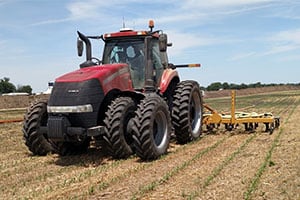
Spring is in the Air
Find out what tasks are on a dairy farmer’s spring checklist!
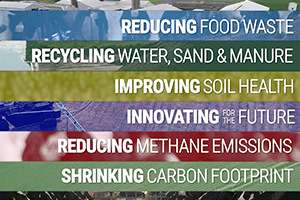
How Are Dairy Farmers Sustainable?
Dairy farmers are committed to using innovative and sustainable farming practices.
Modern Dairy Farming: Caring for the Environment
Frank Burkett prioritizes environmental progress on his farm.
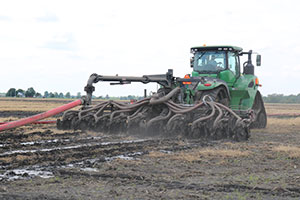
Managing Manure
The Imboden family responsibly manages manure to protect the land and water around their farm.
Protecting the Environment
Learn how U.S. dairy is working to achieve greenhouse gas neutrality by 2050 and more.
Fact Sheet: Environment & Sustainability
Information about environmental practices on dairy farms.