Dairy & Child Development
Dairy supports child development by helping build healthy eating habits, supporting brain development, promoting healthy growth, and contributing to digestive health.
The first 1,000 days—starting during pregnancy up to a child's second birthday—are especially important for growth and development. Including dairy foods as part of a balanced diet can help children get key nutrients needed to learn, grow and thrive.
How Dairy Supports Child Development
Dairy foods provide several key nutrients that support multiple aspects of child development.
Brain Development
Milk, cheese and yogurt provide nutrients that support normal brain development and cognitive function, including high-quality protein, iodine and vitamin B12.
Healthy Growth
Dairy foods provide protein, calcium and vitamin D that help support growing bones, teeth and muscles.
Digestive Health
Yogurt with live and active cultures can help support digestive health and the development of a healthy gut microbiome.
Healthy Eating Habits
Introducing a variety of nutrient-dense foods, including dairy foods, helps children develop healthy eating patterns that can last a lifetime.

Dairy Supports Brain Development
A child’s brain grows at an incredible pace in the early years. Within the first 12 months, a baby’s brain doubles in size and triples to almost adult size by 36 months. To fuel this incredible expansion, the infant brain alone uses over 50% of daily calories consumed.
Because of this rapid growth, proper nutrition is essential. Milk, cheese and yogurt provide key nutrients that help support brain development, including:
- High-quality protein to support neurodevelopment
- Calcium for overall growth
- Iodine and vitamin B12 for cognitive function
In fact, dairy foods provide seven of the 14 nutrients identified by the American Academy of Pediatrics as important for early brain development, helping support learning, memory and overall cognitive potential.
Dairy Supports Healthy Growth
Children grow rapidly during the first years of life. Proper nutrition helps support growing bones, muscles and bodies while providing the energy children need for learning, playing and exploring.
Growing Bones & Teeth
Milk, cheese and yogurt provide calcium, vitamin D and phosphorus, nutrients that help support the growth and development of strong bones and teeth.
Building Muscles
Dairy foods provide high-quality protein, which contains all nine essential amino acids needed for growth and development. Protein helps support muscle growth and plays a role in many important functions throughout the body.
Filling Nutrient Gaps
Many children fall short on nutrients that support healthy growth and development. Dairy foods provide several nutrients of concern, including calcium, vitamin D and potassium, helping children meet their daily nutrient needs.
Serving milk with meals and including cheese or yogurt as snacks can be a simple way to provide important nutrients for growing children.
Dairy Supports Digestive Health
Between six months and three years of age, a child’s gut microbiome develops and begins to resemble that of an adult. During this time, nutrition plays an important role in shaping digestive health.
Dairy foods with live and active cultures, like yogurt and kefir, can help support:
- A healthy gut microbiome
- Digestion and nutrient absorption
- Immune function
- Overall digestive health
A healthy digestive system helps the body absorb nutrients from food and lays the groundwork for overall wellness in childhood and beyond.
Dairy Helps Build Healthy Eating Habits
Beginning around six months of age, babies can start exploring a variety of nutrient-dense foods from all food groups, including dairy foods.
Yogurt and cheese can be introduced around six months as complementary foods, providing important nutrients while helping babies experience new flavors and textures. Whole cow's milk can be introduced after a child's first birthday.
Introducing dairy foods early can help encourage acceptance of new foods, build healthy eating habits and establish balanced eating patterns that can last a lifetime.
Child Development Resources

When to Introduce Dairy Foods
The first 1,000 days of life are a critical time to nourish early brain development.

Dairy Builds Strong Teeth for a Healthy Smile
Dairy foods provide a powerful combination of nutrients to build strong teeth.
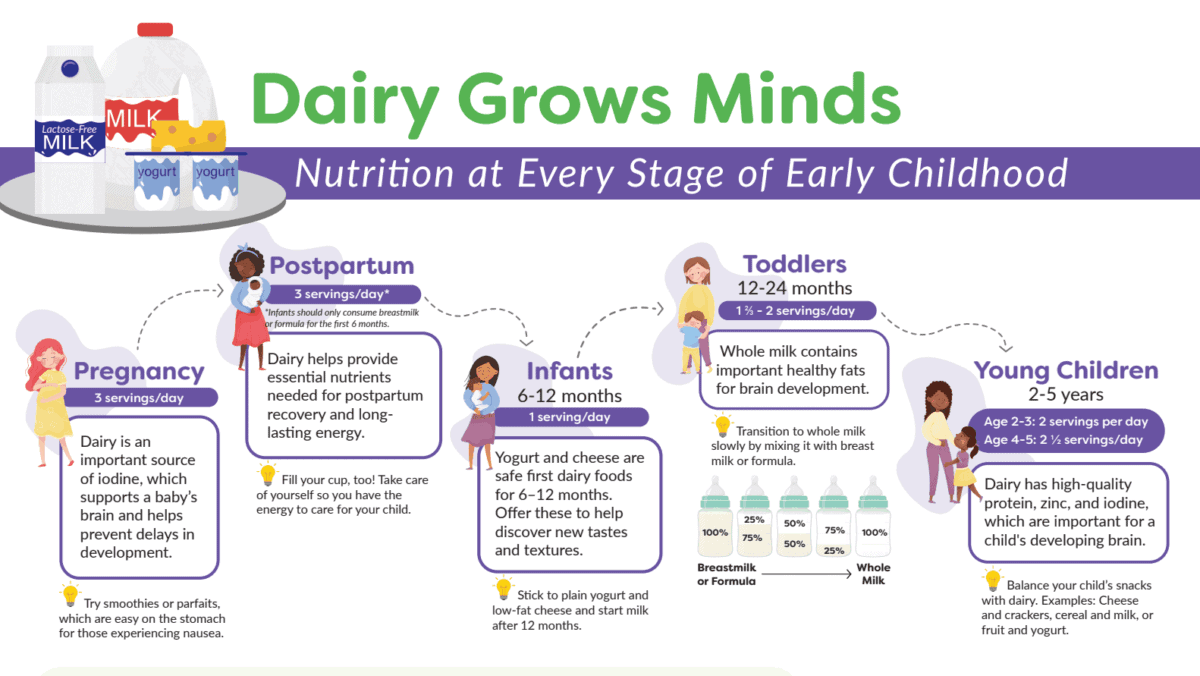
Dairy Grows Minds
Nutrition at every stage of early childhood.
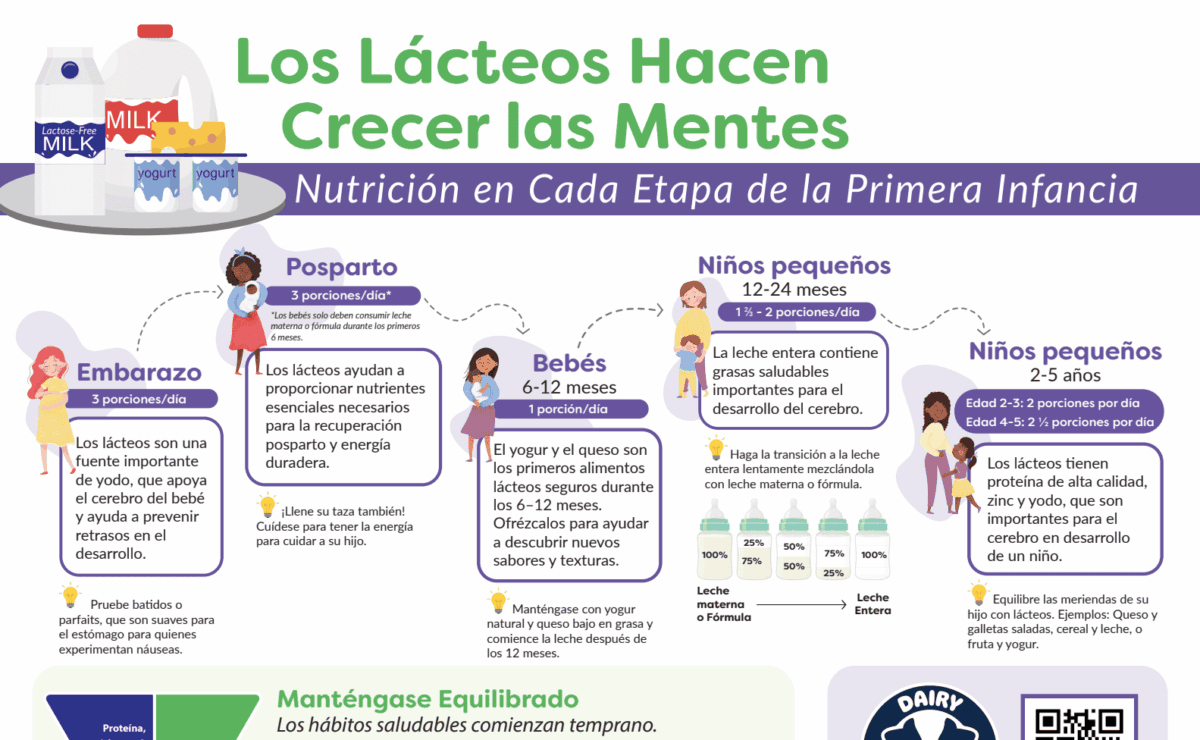
Dairy Grows Minds (Spanish)
Nutrition at every stage of early childhood.

Building Healthy Kids with Dairy
Recommendations for introducing dairy to babies and toddlers.

Building Healthy Kids with Dairy (Spanish)
Recommendations for introducing dairy to babies and toddlers.
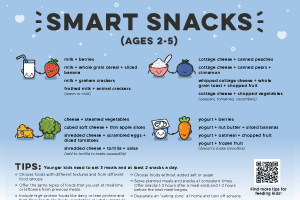
Smart Snacks for Kids
Healthy snack ideas and tips for kids ages 2-5 and 6-10.

NDC Lifespan Supplement – Toddlers 12-23 Months
Dairy provides important sources of calories and nutrients to fuel brain development and growth.

NDC Lifespan Supplement – Infants 6-11 Months
Set the foundation for healthy eating habits that may prevent chronic diseases in the future.

NDC Lifespan Supplement – Preschoolers 2-5 years
Health experts agree water and milk are the only recommended beverages for children 1 to 5 years of age.
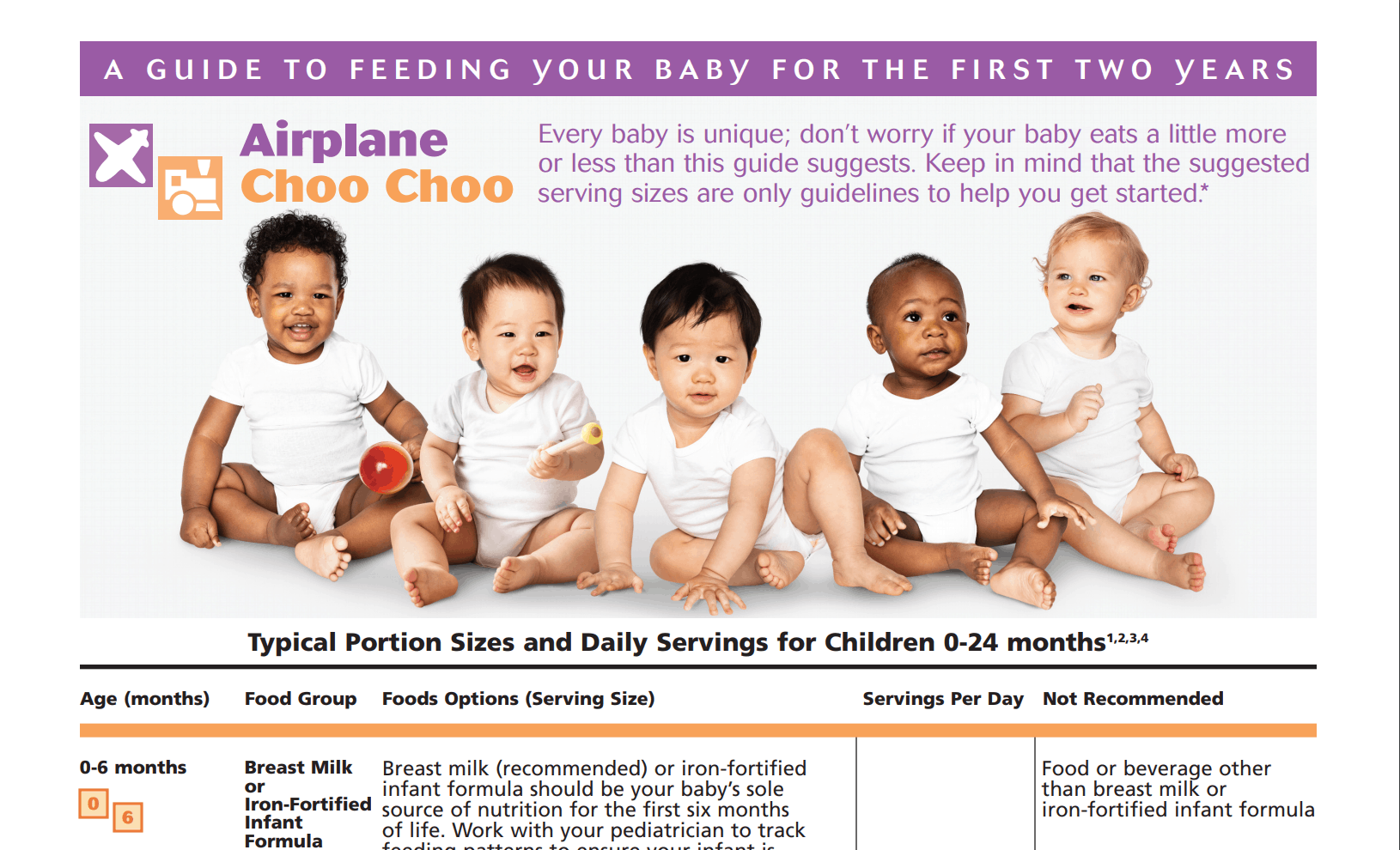
Airplane Choo Choo: A Guide to Feeding Your Baby
Suggestions for the first two years. Remember every baby is unique. This guide helps get you started!

Airplane Choo Choo: A Guide to Feeding Your Baby (Spanish)
Suggestions for the first two years. Remember every baby is unique. This guide helps get you started!

Guidance for Feeding Babies
Advice for feeding babies from a pediatrician and mom.
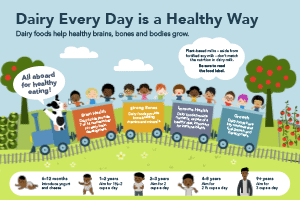
Dairy Every Day is a Healthy Way
Dairy foods help healthy brains, bones and bodies grow.
Dairy Every Day is a Healthy Way (Spanish)
Dairy foods help healthy brains, bones and bodies grow.
Feeding Toddlers 12-23 Months
Information and tips for feeding toddlers based on the latest Dietary Guidelines for Americans.

Feeding Baby 6-12 Months
Information and tips for feeding babies based on the latest Dietary Guidelines for Americans.