
Cooking, Storing & Using Dairy Foods
Dairy foods like milk, cheese, yogurt and butter are kitchen staples. Proper storage, freezing and cooking techniques can help maintain freshness, reduce food waste and ensure you get the best results from your favorite dairy foods.
How to Store Dairy Foods
Best Refrigerator Storage Locations
- Keep your refrigerator between 35°F and 40°F.
- Store milk on the bottom shelf where temperatures stay coldest.
- Store yogurt on an upper shelf and keep containers tightly covered.
- Store cheese in its own drawer or designated area because it can absorb flavors from other foods.
- Avoid storing milk or butter in the refrigerator door, where temperatures fluctuate more often.
| Dairy Food | Best Refrigerator Location | Freezer Storage |
|---|---|---|
| Milk | Bottom Shelf | Up to 3 months |
| Cheese | Cheese drawer | Up to 6-9 months |
| Yogurt | Upper Shelf | Up to 2 months |
| Butter | Middle Shelf | Up to 6-9 months |
Proper storage is one of the easiest ways to extend the life of dairy foods and maintain quality.
Dairy Food Safety Tips
To help keep dairy foods cold and fresh:
- Purchase refrigerated dairy foods near the end of your shopping trip.
- Put dairy products away as soon as you get home.
- Don't leave perishable foods out for more than two hours, or one hour when temperatures exceed 90°F.
- Store milk in its original container and keep it tightly closed to maintain freshness.
- Avoid overpacking your refrigerator so cold air can circulate properly.
Can You Freeze Dairy Foods?
Many dairy foods can be frozen to extend their shelf life, although some may experience texture changes after thawing.
Freezing Milk
Milk can be frozen for up to three months. Leave room in the container for expansion and thaw in the refrigerator before use. Frozen milk may have a slightly different texture, but it remains safe for drinking and cooking.
Freezing Cheese
Most hard cheeses can be frozen for six to nine months. Some cheeses may become crumbly after thawing, while shredded cheeses generally freeze well. Allow cheese to thaw in the refrigerator for best results.
Freezing Yogurt & Butter
Yogurt can be frozen for up to two months, although texture changes may occur after thawing and some live and active cultures may be reduced. Salted butter can be frozen for up to nine months and unsalted butter for up to six months.
Cooking With Dairy
Dairy foods can add flavor, texture and nutrition to many recipes. These simple tips can help you get the best results.
Milk Cooking Tips
Milk can add richness and creaminess to soups, oatmeal, hot chocolate, baked goods and egg dishes. Heat milk gently and slowly to prevent scorching or the formation of a protein film on the surface. Using milk instead of water in many recipes can improve both flavor and texture. Embed How to Brown Butter video?
Cheese Cooking Tips
Cheese performs best when heated gradually.
- Use low to medium heat on the stovetop.
- Stir frequently when making cheese sauces.
- Add cheese toward the end of cooking when preparing soups or sauces.
- Sprinkle cheese onto casseroles and baked dishes during the final minutes of baking for optimal melting.
Cooking cheese over high heat for extended periods can cause it to become tough, stringy or separate.
Yogurt Cooking Tips
Yogurt can be used as a substitute for ingredients such as sour cream or a portion of the oil in baked goods.
To maintain a smooth, creamy texture:
- Avoid heating yogurt too quickly.
- Fold yogurt into recipes gently.
- Avoid over-stirring, which can cause it to thin or separate.
Greek yogurt can add protein, moisture and creaminess to dips, marinades, baked goods and other recipes.
What do expiration dates really mean?
Manufacturers use a variety of expiration date labels to communicate information to retailers and consumers. It is important to note that the date stamped on a perishable food item is meant for best quality, but cannot be relied on as an indicator of food safety.
“Sell by” date: For retailers to determine how long to display the product for sale or when they should take it off the store shelves and for consumers to know the time limit to purchase or use the product at its best quality. However, it does not mean that the food is no longer safe to consume. For maximum quality, buy the product before this date.
“Use by” date: Intended for consumers, it’s the last date recommended for use of the product at its peak quality. Even if the date expires during home storage, the product should be safe, wholesome and of good quality if handled and stored properly.
“Best if used by” date: Recommended for best flavor or quality. It is not a purchase or safety date. For example, a product may be safe to eat beyond this date, but may not be of highest quality.
Resources for Dairy in the Kitchen

Where to Buy Ohio Cheese
Make the most intimate gatherings extraordinary with Ohio-made cheese.

How To Brown Butter
Learn how to brown butter from food blogger Beyond Frosting.

5 Simple Steps to Make a Cheese Board
Make cheese the star of your next gathering with a gorgeous cheese board!

Pairing Cheese with Wine, Beer & More
Use this handy guide to pair easy-to-find cheeses with beverages and snacks.
Dairy Substitutions
Missing an ingredient? Consult this handy guide for baking substitutions.

How to Build an Elevated Board with Ohio Cheeses
Create a unique cheese display with locally made artisan cheeses.

How to Build an Ohio Swiss Cheese Board
Use award-winning Ohio Swiss cheese to create a beautiful cheese board.

How to Build a Buckeye Cheese Board
Build a board that showcases a variety of Ohio-made cheeses.

Cheese Pairing Guide
A tasteful guide to cheese pairings and building a cheese board.

Easy Greek Yogurt Dips
Try these easy Greek yogurt dips the next time you're craving a healthy snack!

Easy Cheese Pairings
Check out these easy cheese pairing ideas to make your own cheese plate at home!
Keep Your Dairy Fresh
Tips to keep your dairy fresh and how to use every bit of the dairy in your fridge.

Cheese Storage Tips
What’s the best way to store cheese? It depends on the kind of cheese!
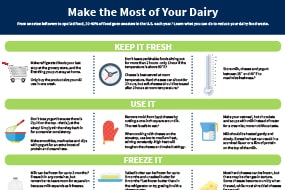
Make the Most of Your Dairy
Helpful tips to help you reduce your dairy food waste.
5 Hacks to Make Your Holidays Even “Grater”
These five great hacks will help you handle cheese with ease!
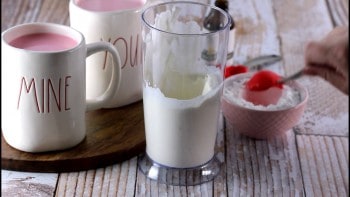
How to Make Whipped Cream
Learn how to make whipped cream in under 1 minute from food blogger In Katrina's Kitchen!